Organic Cacao Powder — Single-Origin Criollo (1 lb & 5 lb Bulk)
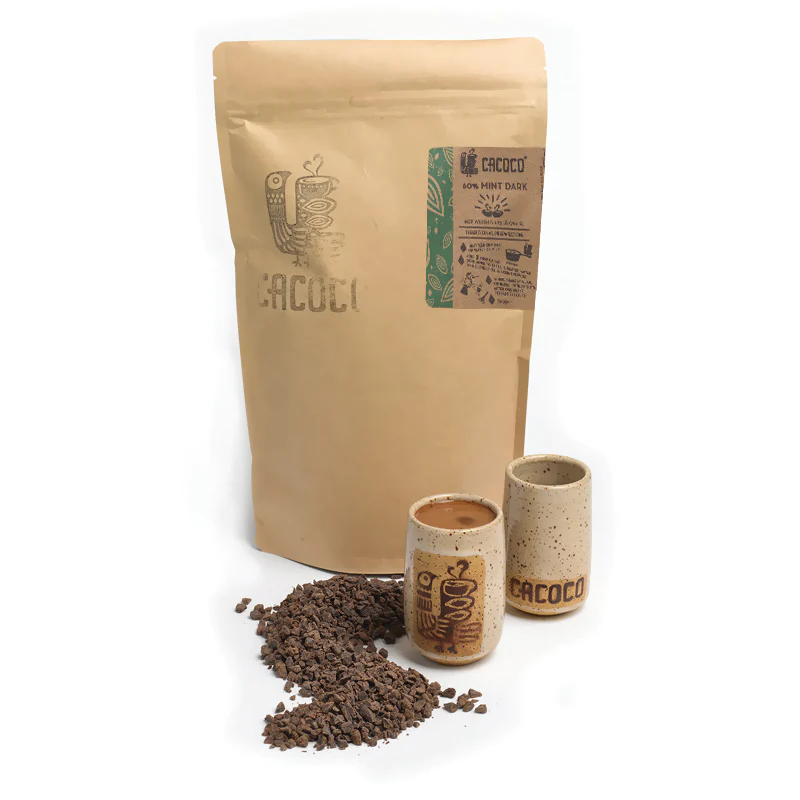
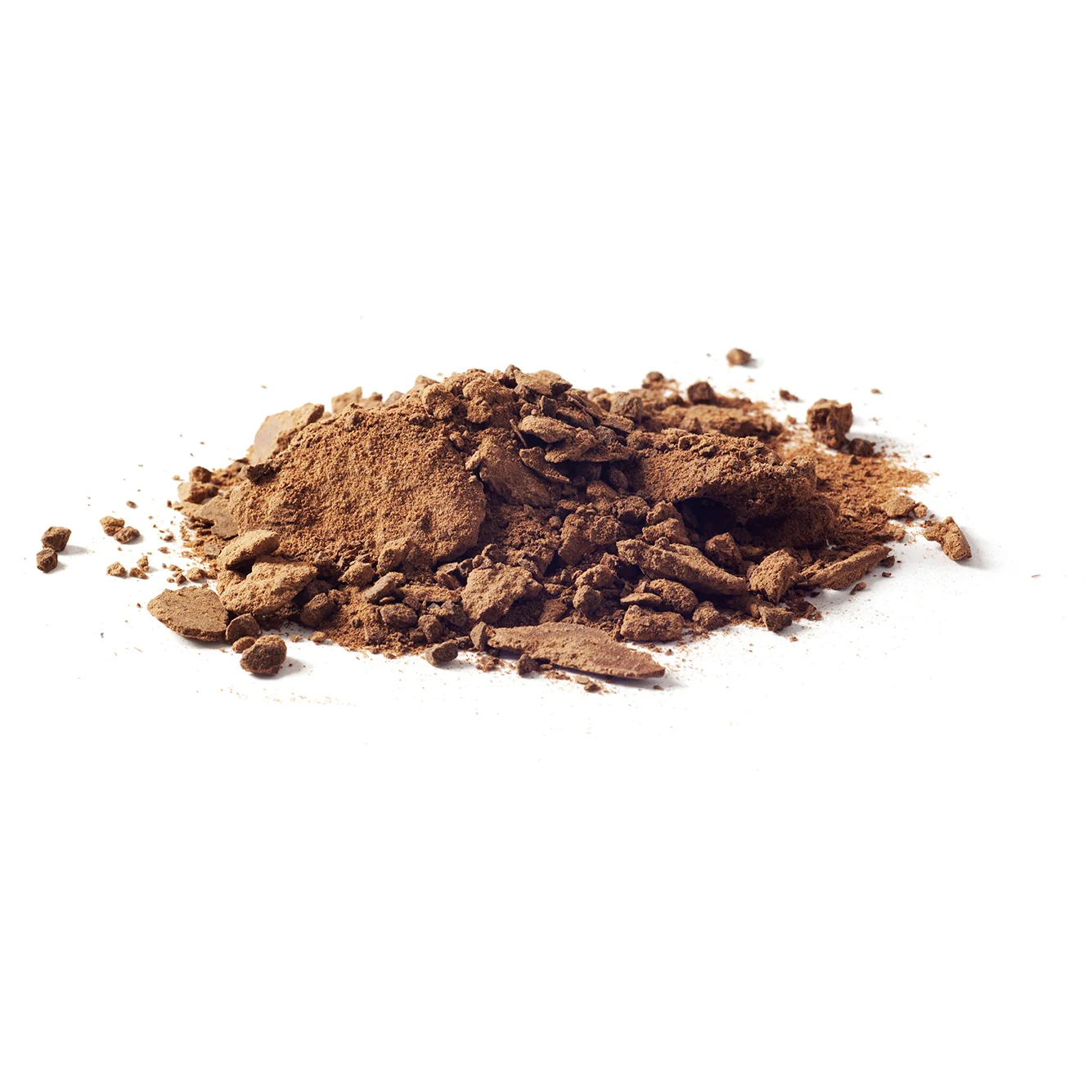
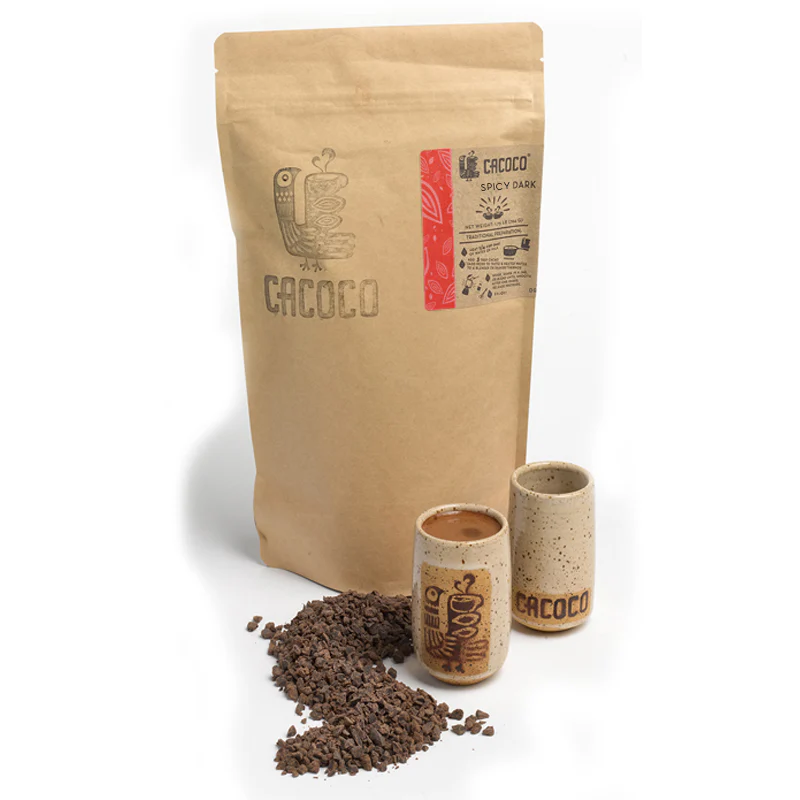
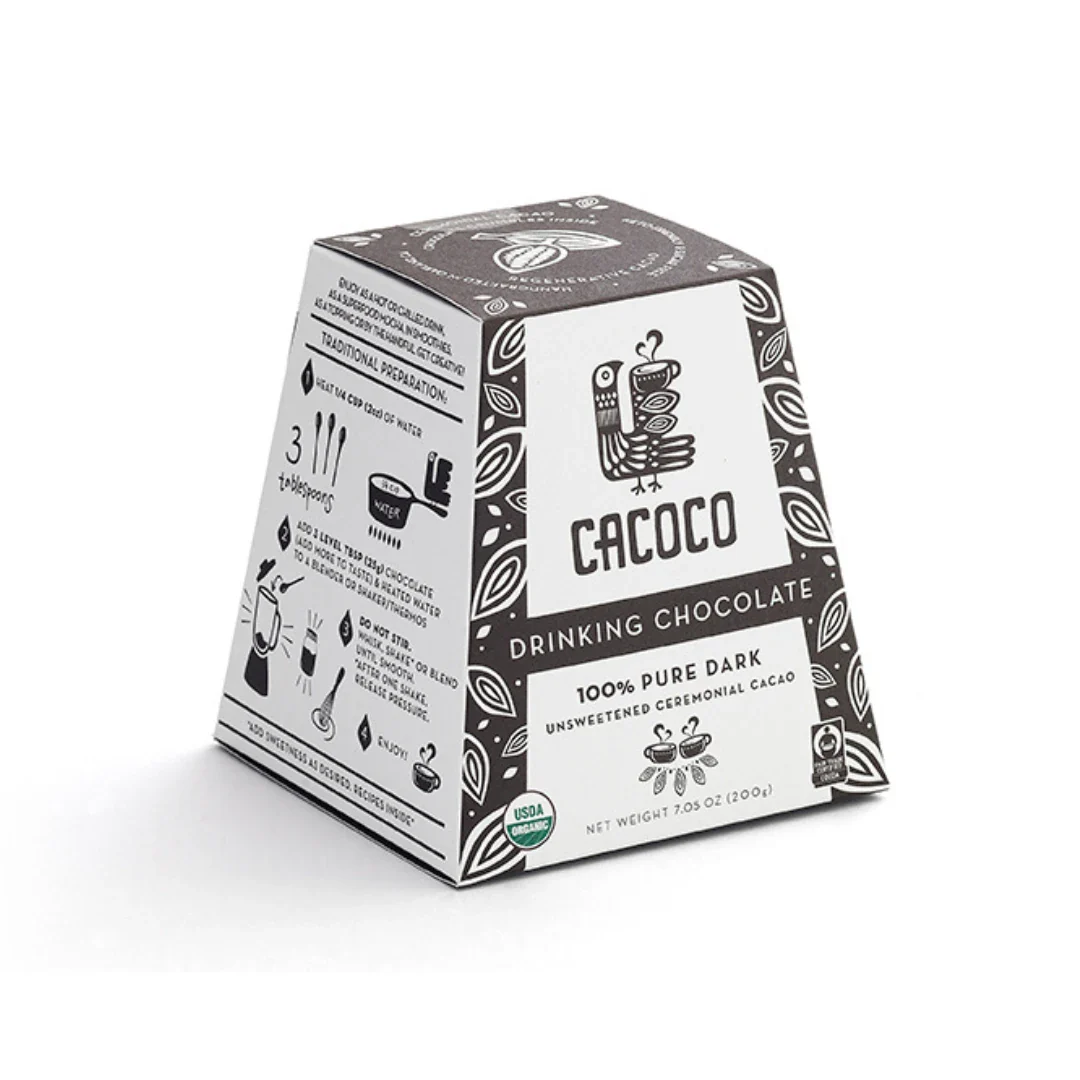
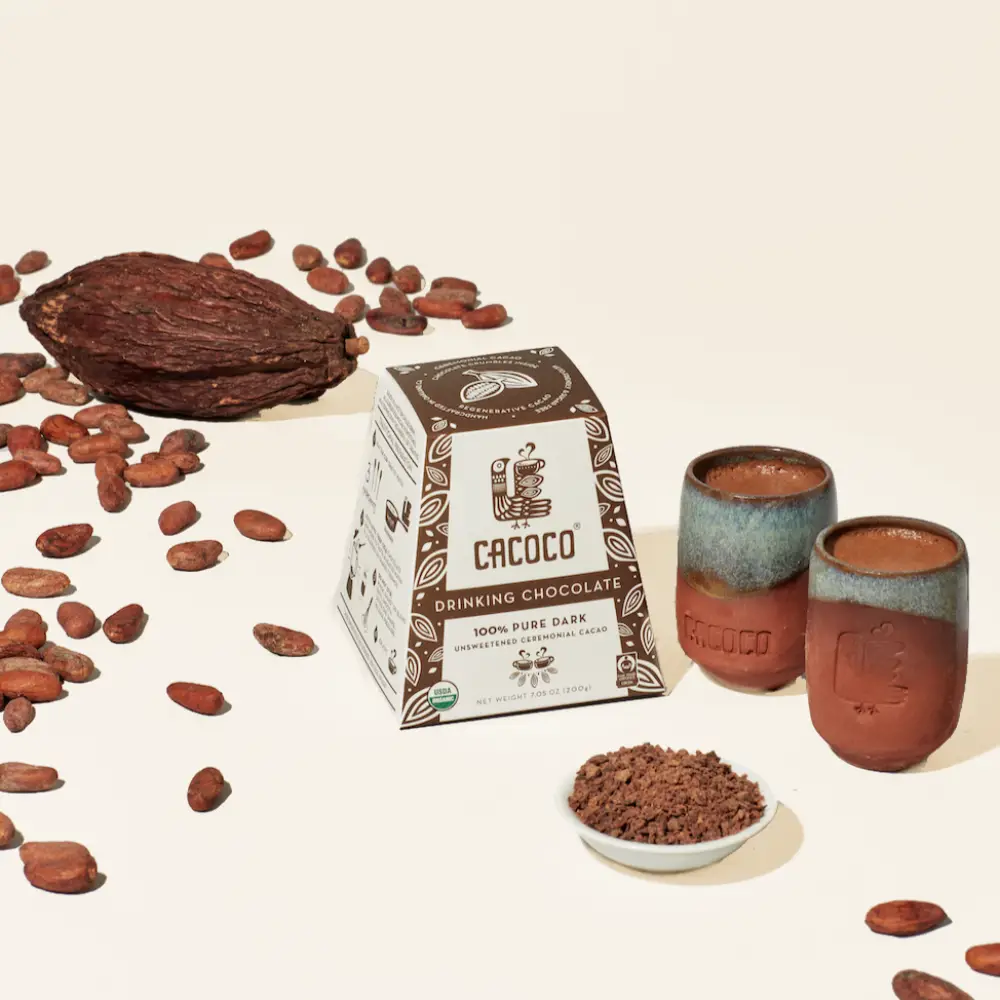
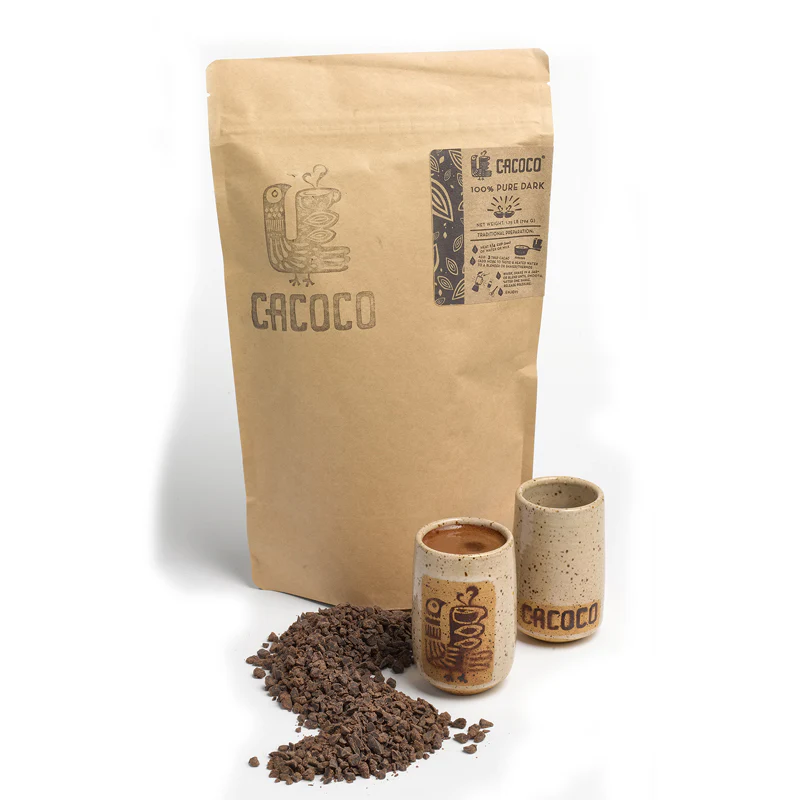
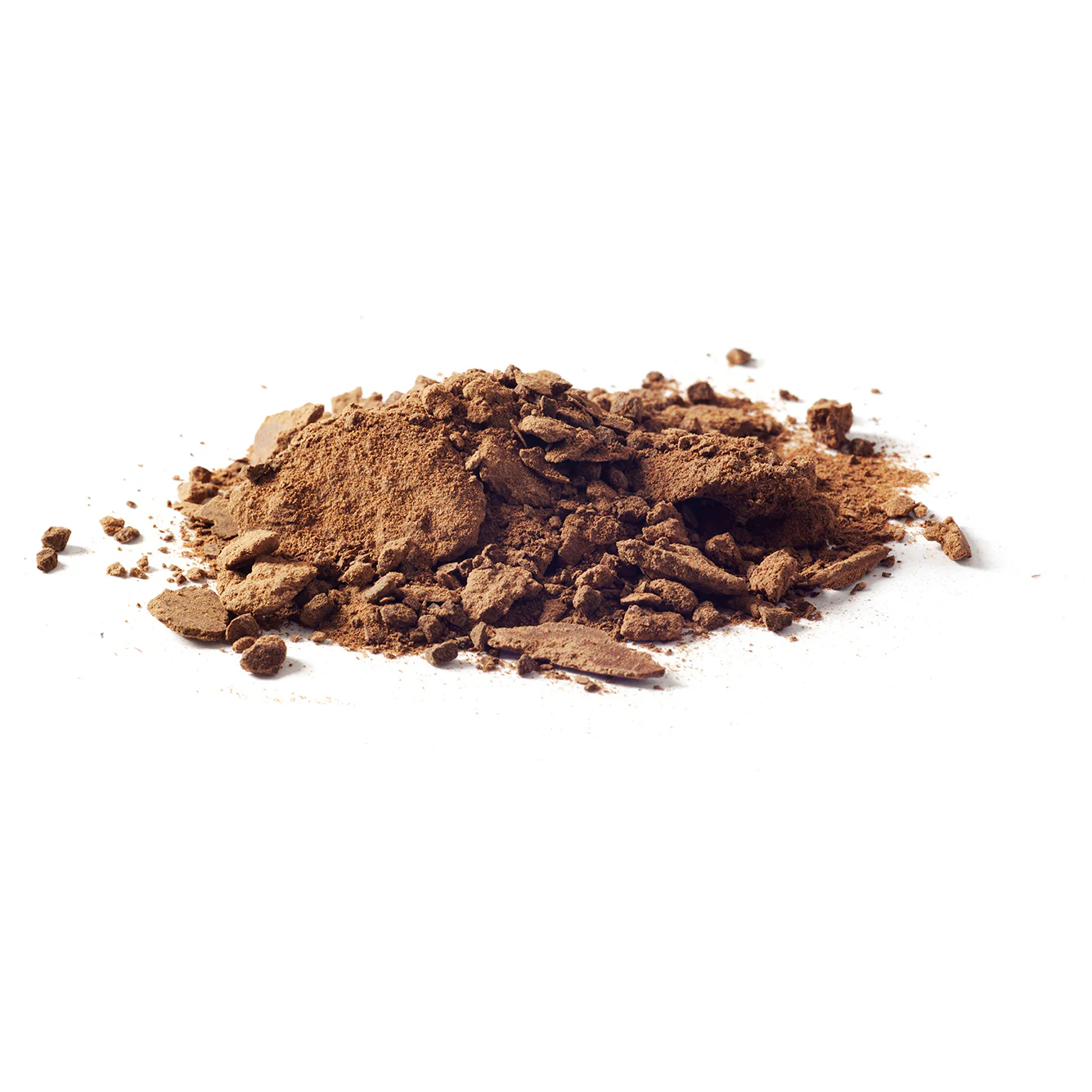
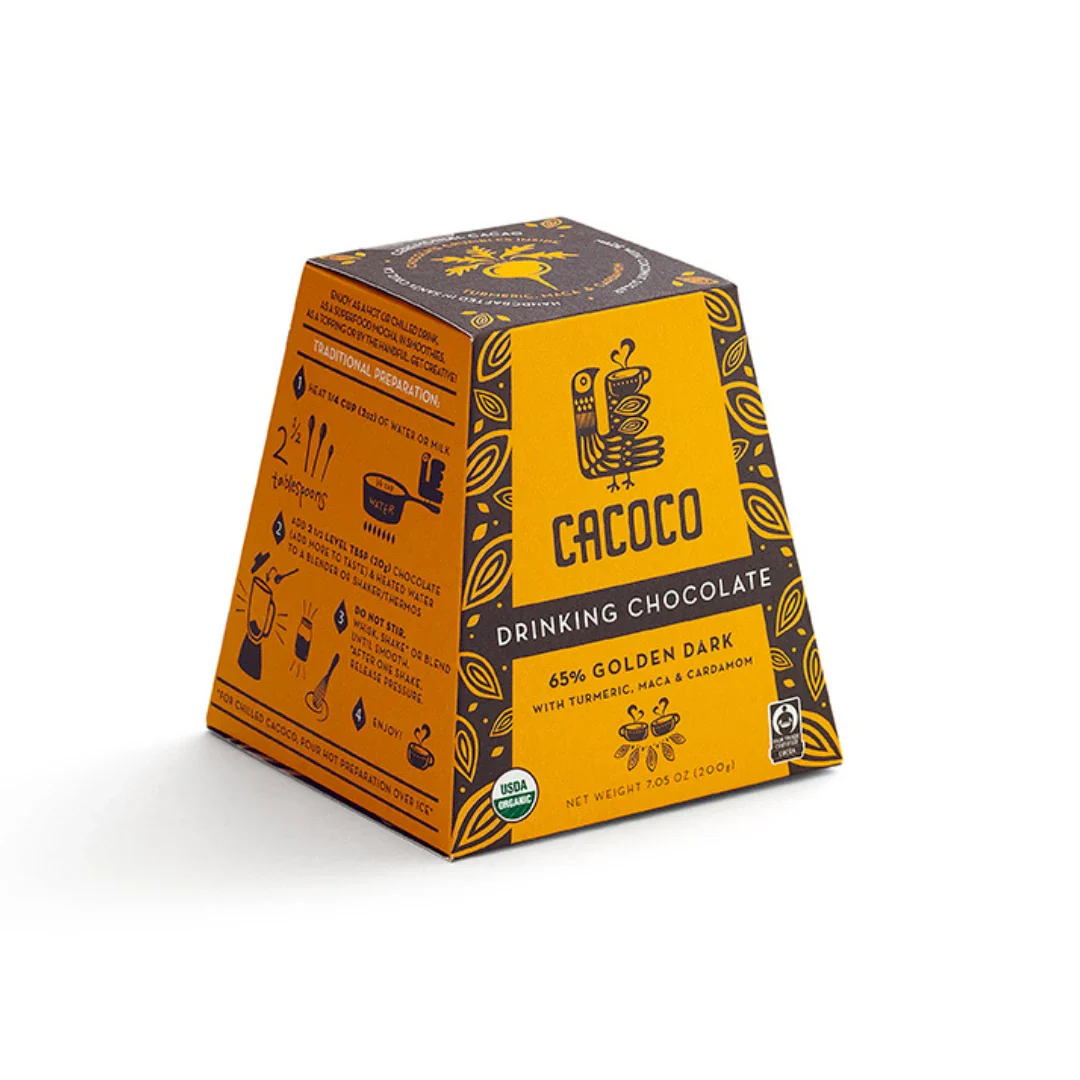
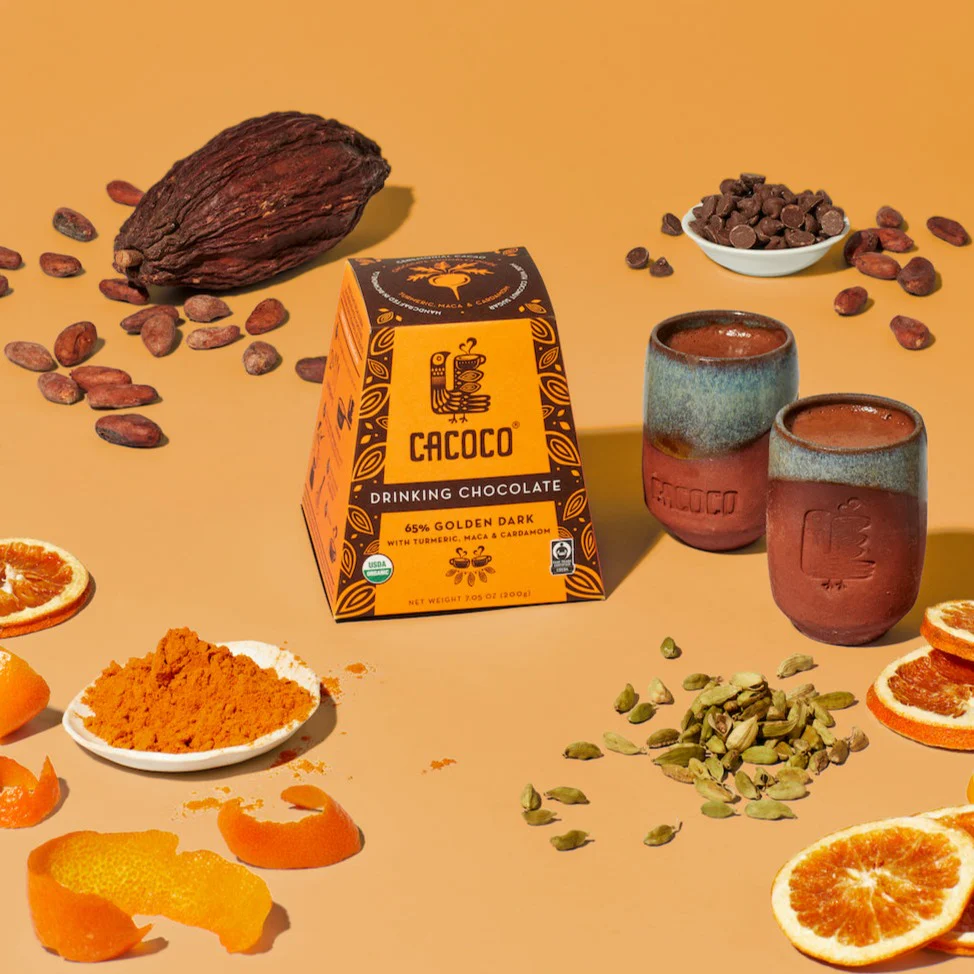
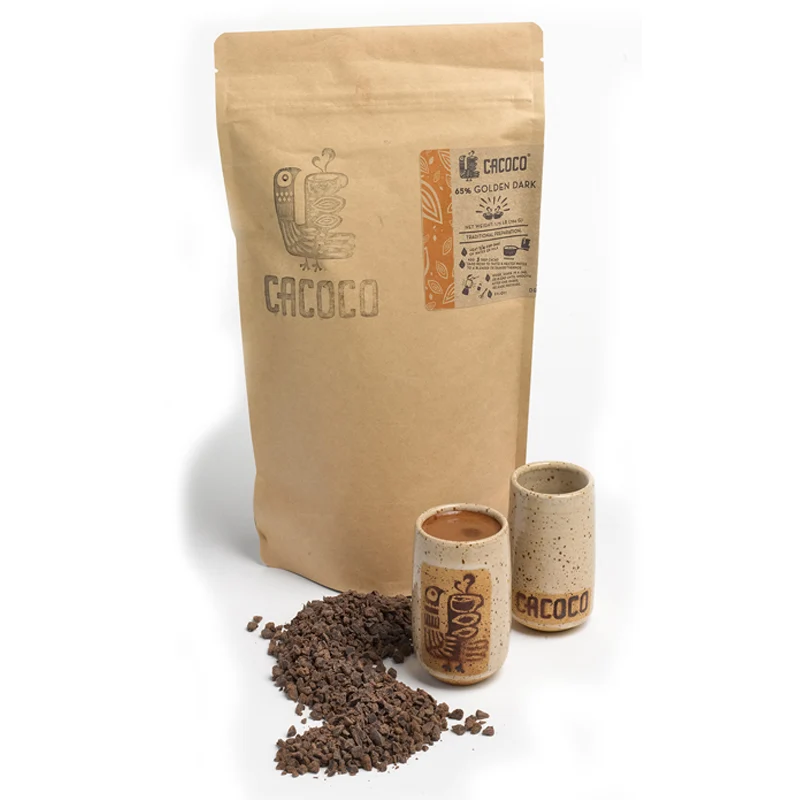
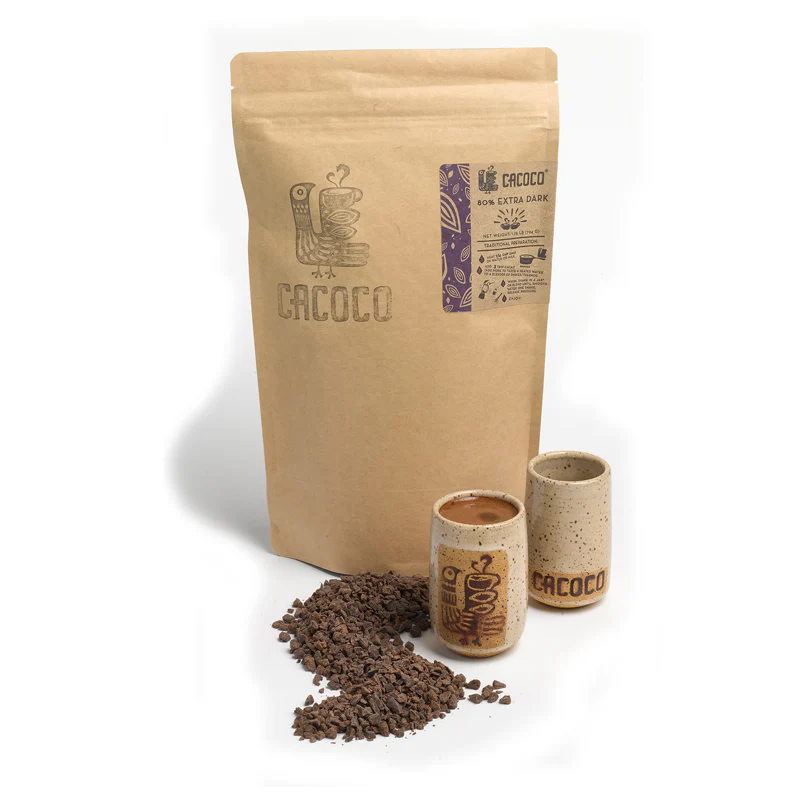
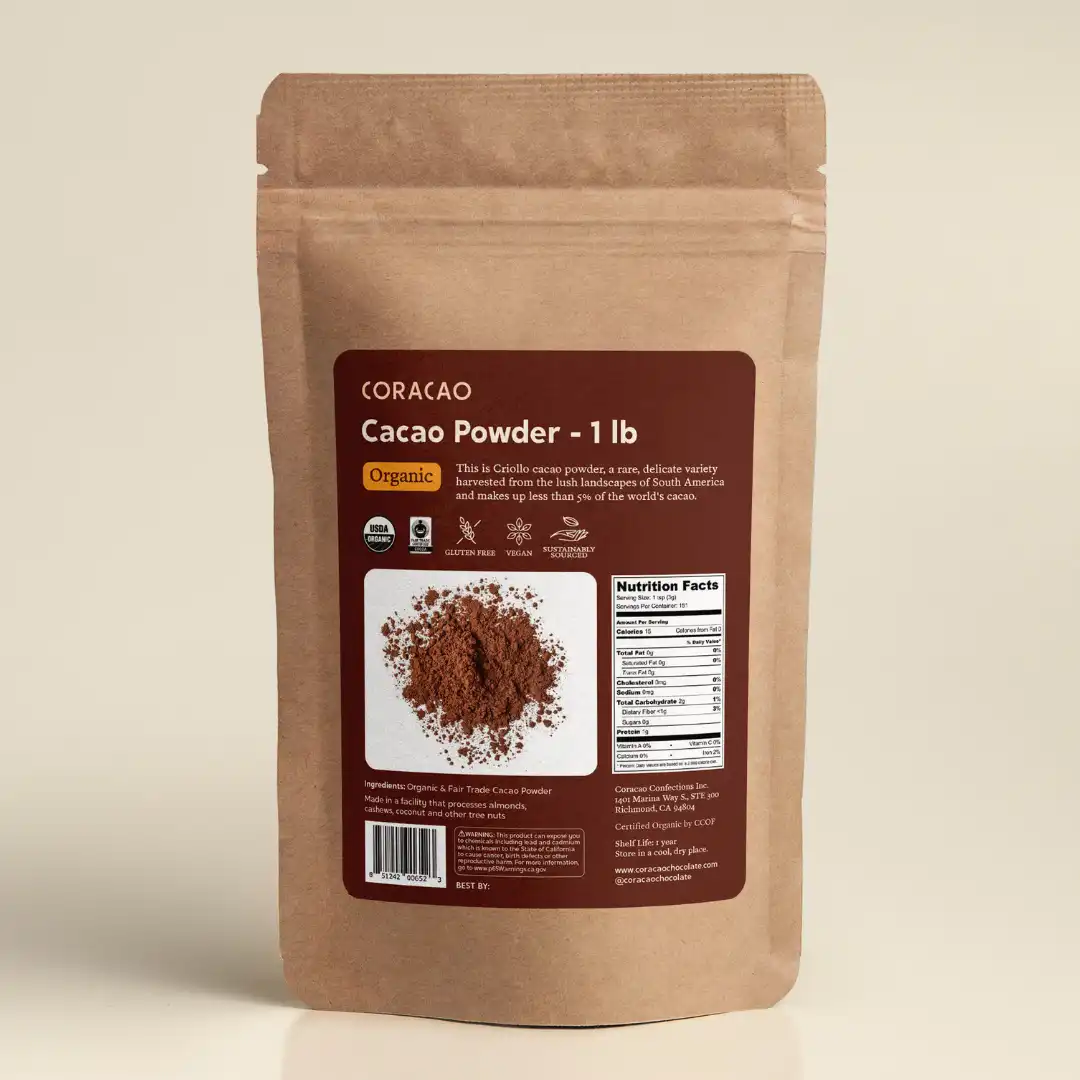
Organic cacao powder from Coracao — ground from single-origin Peruvian Criollo cacao beans and packed in 1 lb or 5 lb bulk bags. This is a real raw cacao powder: minimally processed at low temperature to preserve the flavanols, magnesium, and chocolate character of the bean. Whisks into hot cocoa, blends into smoothies, folds into brownies, sits at the base of a ceremonial cup. If you have only met chocolate in candy form, this is what it tastes like at the source.
Coracao is a small-batch Berkeley operation. We source directly, we grind slowly, and we do not deodorize the cacao to make it easier to bulk-blend. What you get is the flavor of a specific bean from a specific valley — not a generic commodity powder.
What makes this cacao powder different
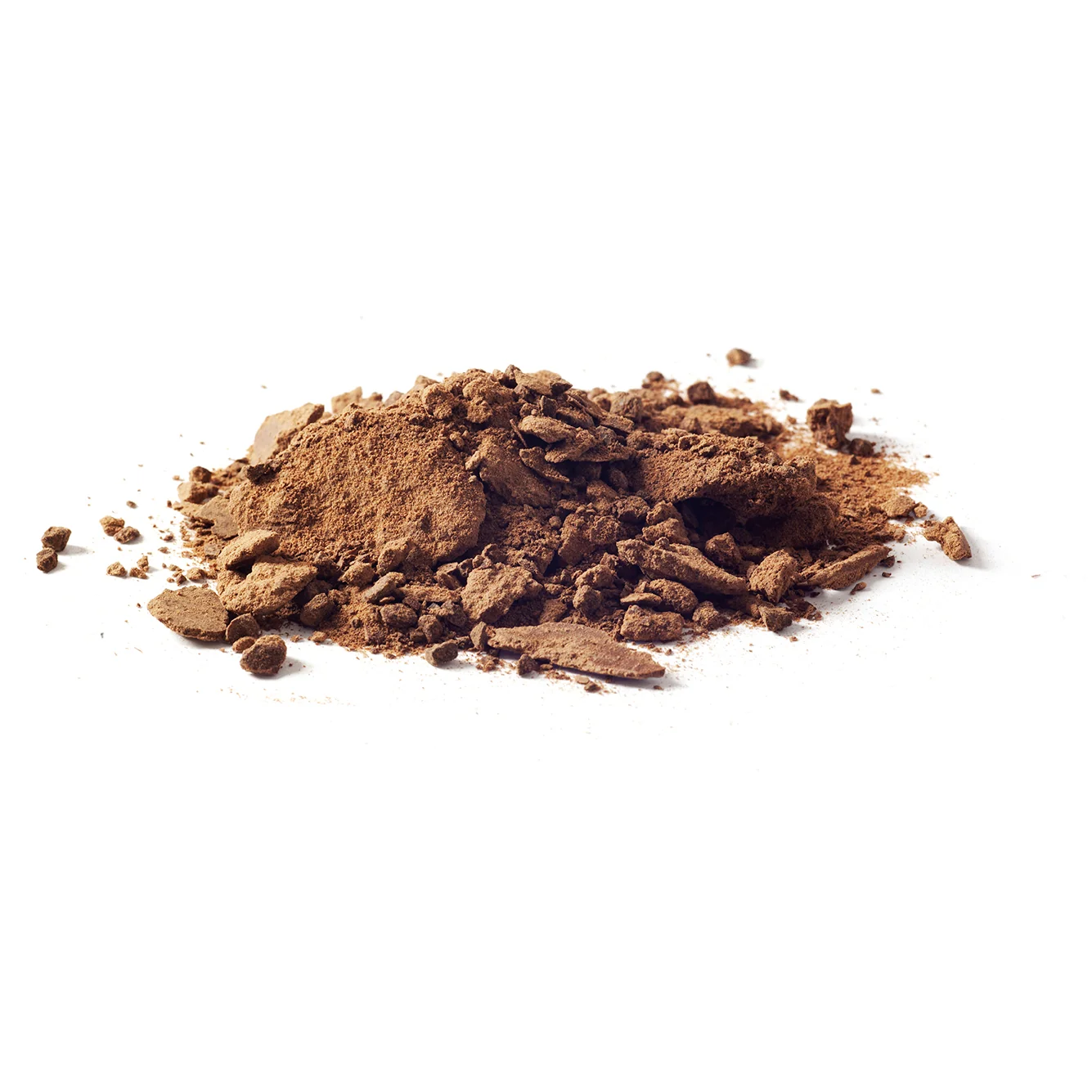
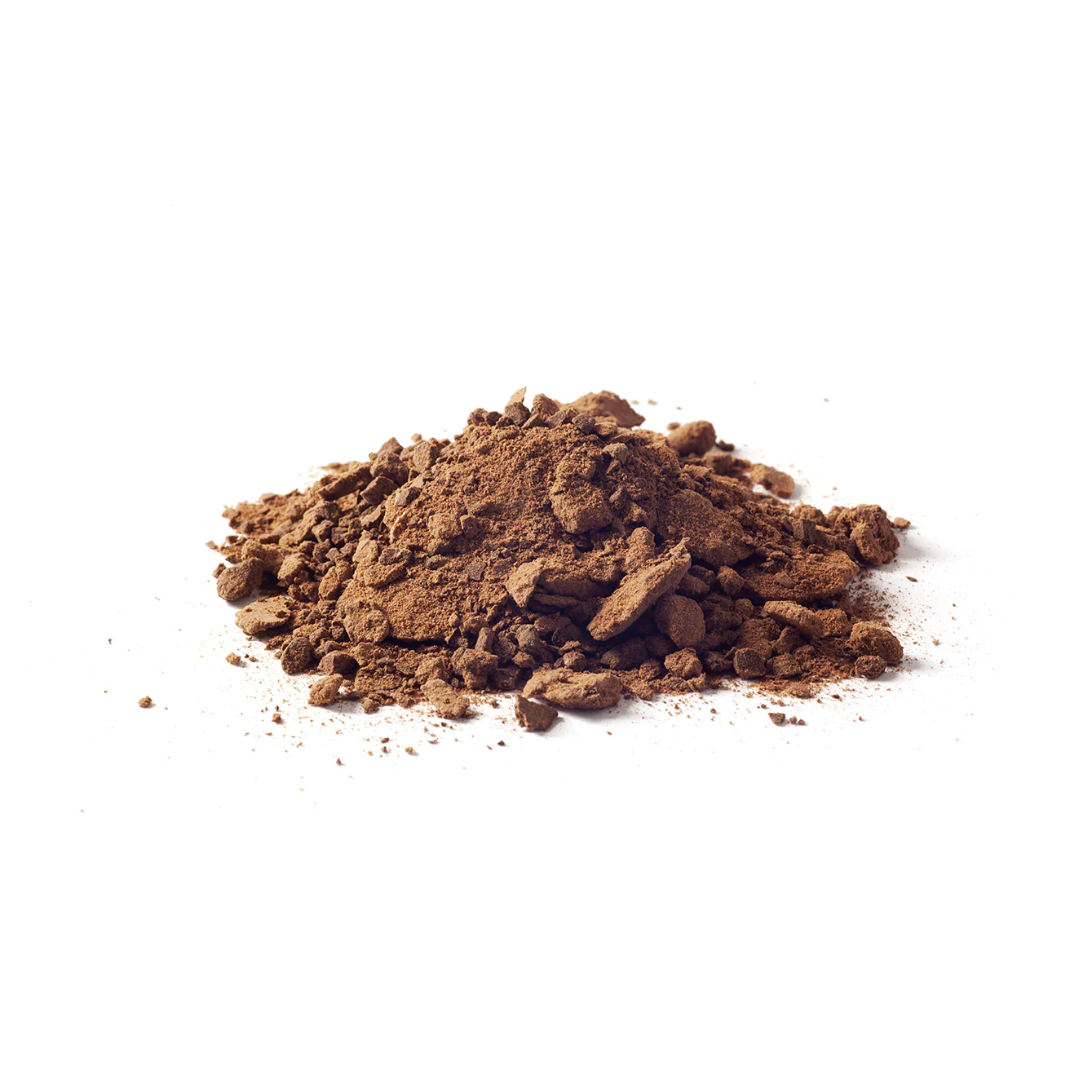
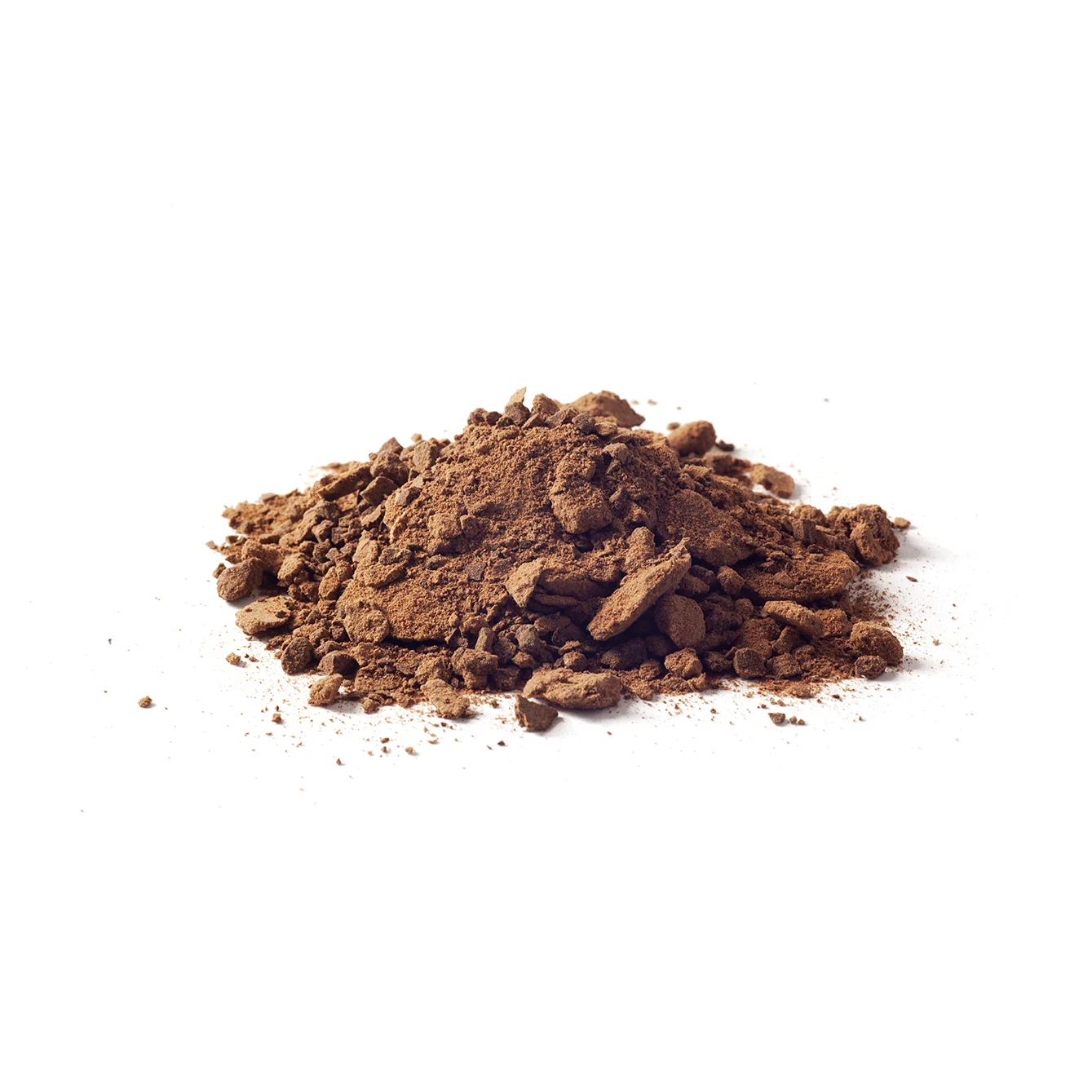
Most cocoa powders on a grocery shelf are blended commodity beans, roasted hot, then Dutch-processed with alkali to darken the color and mellow the acidity. Our organic cacao powder takes the opposite path: single-origin Criollo beans, cold-ground, no alkalization. The result is brighter, fruitier, and higher in intact flavanols. The color is slightly redder than supermarket cocoa. The flavor is more chocolate, less bitter.
The single-origin Criollo bean
Criollo is the rarest of the three cacao varieties — under 5% of world production. It is prized for a smooth, low-bitterness flavor with floral and fruit notes, and it does not need heavy processing to taste good. Our beans come from a specific cooperative in Peru's Huallaga Valley.
Cold-processing preserves flavanols
Flavanols are the cacao compounds most closely linked to the cardiovascular research that put dark chocolate on doctors' radar. High-heat processing degrades them. We grind cold and keep the powder unroasted so the flavanol profile survives intact.
Cacao powder vs cocoa powder — the key difference
They start from the same bean but end up as different ingredients. Cacao powder is made from beans that are cold-processed and left unroasted (or lightly roasted); it retains more flavanols and has a brighter, fruitier flavor. Cocoa powder is made from beans roasted at higher heat, often Dutch-processed with alkali; it is smoother, darker, and better for baking recipes tuned to that flavor.
Substitution: for baking, you can swap cacao powder for cocoa powder 1:1 in most recipes. The flavor will be brighter and slightly more acidic. If your recipe calls for Dutch-processed cocoa specifically, add a tiny pinch of baking soda per tablespoon of cacao powder to balance the acidity.
How to use cacao powder
Baking
Works in brownies, cakes, cookies, ganache, and dark chocolate frostings. Great in Mexican mole. Because it is cold-processed, it also works raw — no-bake energy bites, raw brownies, protein balls.
Smoothies and drinks
One heaping tablespoon per 12 oz smoothie. Pairs naturally with banana, dates, almond butter, and any plant milk. For coffee: stir 1 tsp into an espresso for a cheap mocha that outperforms any syrup.
Ceremonial cacao preparation
Warm 8 oz of water or plant milk to just under a simmer. Whisk in 2–3 tbsp of cacao powder, a pinch of sea salt, a small drizzle of maple or coconut sugar to taste, and any spice you like (cinnamon, chili, cardamom). Sit with the cup before you drink it. This is the format Coracao's cacao is made for.
Tasting notes
Aroma
Fresh cacao — no toasted, ashy, or burnt notes.
Palate
Deep chocolate, subtle red-fruit acidity, low bitterness.
Finish
Clean and short — no chalky aftertaste, dissolves smoothly in liquid.
Sourcing — Peruvian Criollo cacao
Our cacao comes from small farms in Peru's Huallaga Valley, a Criollo-growing region with strong fair-trade practices and direct-trade cooperative structures. The beans are fermented and dried on-farm before shipping to our Berkeley kitchen, where we grind them in small batches. Everything is certified organic and fair-trade.
Nutrition facts & allergens
Per 1 tablespoon serving: TBD calories, TBD g fat, TBD g carbs, TBD g fiber, TBD g protein, TBD mg iron, TBD mg magnesium. Naturally vegan, gluten-free, dairy-free, soy-free. Processed in a facility that also handles tree nuts.
Frequently asked questions
Is cacao powder the same as cocoa powder?
No. Cacao powder is cold-processed and unroasted; cocoa powder is high-heat roasted and often Dutch-processed with alkali. They can substitute in most baking recipes, but flavor and flavanol content differ.
Is your cacao powder raw?
Yes. Our cacao is cold-processed and never exceeds temperatures that would degrade the flavanols. You can use it in raw recipes.
How much cacao powder should I use per day?
Most people find 1–3 tablespoons per day a comfortable amount. Because raw cacao contains theobromine (a mild stimulant), you may want to keep intake moderate if you are caffeine-sensitive.
Can I use cacao powder in a cacao ceremony?
Yes — this is one of the intended uses. Ceremonial preparation is 2–3 tablespoons per 8 oz cup, whisked into warm (not boiling) water or plant milk with a pinch of salt and a small sweetener.
Where does Coracao's cacao come from?
Peru's Huallaga Valley, from small Criollo-growing farms working through fair-trade cooperatives. We buy direct through partners we have worked with for years.
Does cacao contain caffeine?
A small amount — roughly 12 mg per tablespoon, which is about a tenth of a cup of coffee. It also contains theobromine, a milder and longer-acting stimulant common to chocolate.
Shipping, storage & bulk sizes
Available in a 1 lb resealable pouch (best for household use, 1–2 month supply for a daily drinker) and a 5 lb bulk bag (best for cafés, wholesale bakers, and dedicated ceremonial-cup households). Store in a cool, dry place away from strong odors — cacao is a fat-based product and picks up neighboring smells if left open. Ships from our Berkeley kitchen, US shipping available.
Organic cacao powder from Coracao — ground from single-origin Peruvian Criollo cacao beans and packed in 1 lb or 5 lb bulk bags. This is a real raw cacao powder: minimally processed at low temperature to preserve the flavanols, magnesium, and chocolate character of the bean. Whisks into hot cocoa, blends into smoothies, folds into brownies, sits at the base of a ceremonial cup. If you have only met chocolate in candy form, this is what it tastes like at the source.
Coracao is a small-batch Berkeley operation. We source directly, we grind slowly, and we do not deodorize the cacao to make it easier to bulk-blend. What you get is the flavor of a specific bean from a specific valley — not a generic commodity powder.
What makes this cacao powder different
Most cocoa powders on a grocery shelf are blended commodity beans, roasted hot, then Dutch-processed with alkali to darken the color and mellow the acidity. Our organic cacao powder takes the opposite path: single-origin Criollo beans, cold-ground, no alkalization. The result is brighter, fruitier, and higher in intact flavanols. The color is slightly redder than supermarket cocoa. The flavor is more chocolate, less bitter.
The single-origin Criollo bean
Criollo is the rarest of the three cacao varieties — under 5% of world production. It is prized for a smooth, low-bitterness flavor with floral and fruit notes, and it does not need heavy processing to taste good. Our beans come from a specific cooperative in Peru's Huallaga Valley.
Cold-processing preserves flavanols
Flavanols are the cacao compounds most closely linked to the cardiovascular research that put dark chocolate on doctors' radar. High-heat processing degrades them. We grind cold and keep the powder unroasted so the flavanol profile survives intact.
Cacao powder vs cocoa powder — the key difference
They start from the same bean but end up as different ingredients. Cacao powder is made from beans that are cold-processed and left unroasted (or lightly roasted); it retains more flavanols and has a brighter, fruitier flavor. Cocoa powder is made from beans roasted at higher heat, often Dutch-processed with alkali; it is smoother, darker, and better for baking recipes tuned to that flavor.
Substitution: for baking, you can swap cacao powder for cocoa powder 1:1 in most recipes. The flavor will be brighter and slightly more acidic. If your recipe calls for Dutch-processed cocoa specifically, add a tiny pinch of baking soda per tablespoon of cacao powder to balance the acidity.
How to use cacao powder
Baking
Works in brownies, cakes, cookies, ganache, and dark chocolate frostings. Great in Mexican mole. Because it is cold-processed, it also works raw — no-bake energy bites, raw brownies, protein balls.
Smoothies and drinks
One heaping tablespoon per 12 oz smoothie. Pairs naturally with banana, dates, almond butter, and any plant milk. For coffee: stir 1 tsp into an espresso for a cheap mocha that outperforms any syrup.
Ceremonial cacao preparation
Warm 8 oz of water or plant milk to just under a simmer. Whisk in 2–3 tbsp of cacao powder, a pinch of sea salt, a small drizzle of maple or coconut sugar to taste, and any spice you like (cinnamon, chili, cardamom). Sit with the cup before you drink it. This is the format Coracao's cacao is made for.
Tasting notes
Aroma
Fresh cacao — no toasted, ashy, or burnt notes.
Palate
Deep chocolate, subtle red-fruit acidity, low bitterness.
Finish
Clean and short — no chalky aftertaste, dissolves smoothly in liquid.
Sourcing — Peruvian Criollo cacao
Our cacao comes from small farms in Peru's Huallaga Valley, a Criollo-growing region with strong fair-trade practices and direct-trade cooperative structures. The beans are fermented and dried on-farm before shipping to our Berkeley kitchen, where we grind them in small batches. Everything is certified organic and fair-trade.
Nutrition facts & allergens
Per 1 tablespoon serving: TBD calories, TBD g fat, TBD g carbs, TBD g fiber, TBD g protein, TBD mg iron, TBD mg magnesium. Naturally vegan, gluten-free, dairy-free, soy-free. Processed in a facility that also handles tree nuts.
Frequently asked questions
Is cacao powder the same as cocoa powder?
No. Cacao powder is cold-processed and unroasted; cocoa powder is high-heat roasted and often Dutch-processed with alkali. They can substitute in most baking recipes, but flavor and flavanol content differ.
Is your cacao powder raw?
Yes. Our cacao is cold-processed and never exceeds temperatures that would degrade the flavanols. You can use it in raw recipes.
How much cacao powder should I use per day?
Most people find 1–3 tablespoons per day a comfortable amount. Because raw cacao contains theobromine (a mild stimulant), you may want to keep intake moderate if you are caffeine-sensitive.
Can I use cacao powder in a cacao ceremony?
Yes — this is one of the intended uses. Ceremonial preparation is 2–3 tablespoons per 8 oz cup, whisked into warm (not boiling) water or plant milk with a pinch of salt and a small sweetener.
Where does Coracao's cacao come from?
Peru's Huallaga Valley, from small Criollo-growing farms working through fair-trade cooperatives. We buy direct through partners we have worked with for years.
Does cacao contain caffeine?
A small amount — roughly 12 mg per tablespoon, which is about a tenth of a cup of coffee. It also contains theobromine, a milder and longer-acting stimulant common to chocolate.
Shipping, storage & bulk sizes
Available in a 1 lb resealable pouch (best for household use, 1–2 month supply for a daily drinker) and a 5 lb bulk bag (best for cafés, wholesale bakers, and dedicated ceremonial-cup households). Store in a cool, dry place away from strong odors — cacao is a fat-based product and picks up neighboring smells if left open. Ships from our Berkeley kitchen, US shipping available.
Original: $18.99
-65%$18.99
$6.65Description
Organic cacao powder from Coracao — ground from single-origin Peruvian Criollo cacao beans and packed in 1 lb or 5 lb bulk bags. This is a real raw cacao powder: minimally processed at low temperature to preserve the flavanols, magnesium, and chocolate character of the bean. Whisks into hot cocoa, blends into smoothies, folds into brownies, sits at the base of a ceremonial cup. If you have only met chocolate in candy form, this is what it tastes like at the source.
Coracao is a small-batch Berkeley operation. We source directly, we grind slowly, and we do not deodorize the cacao to make it easier to bulk-blend. What you get is the flavor of a specific bean from a specific valley — not a generic commodity powder.
What makes this cacao powder different
Most cocoa powders on a grocery shelf are blended commodity beans, roasted hot, then Dutch-processed with alkali to darken the color and mellow the acidity. Our organic cacao powder takes the opposite path: single-origin Criollo beans, cold-ground, no alkalization. The result is brighter, fruitier, and higher in intact flavanols. The color is slightly redder than supermarket cocoa. The flavor is more chocolate, less bitter.
The single-origin Criollo bean
Criollo is the rarest of the three cacao varieties — under 5% of world production. It is prized for a smooth, low-bitterness flavor with floral and fruit notes, and it does not need heavy processing to taste good. Our beans come from a specific cooperative in Peru's Huallaga Valley.
Cold-processing preserves flavanols
Flavanols are the cacao compounds most closely linked to the cardiovascular research that put dark chocolate on doctors' radar. High-heat processing degrades them. We grind cold and keep the powder unroasted so the flavanol profile survives intact.
Cacao powder vs cocoa powder — the key difference
They start from the same bean but end up as different ingredients. Cacao powder is made from beans that are cold-processed and left unroasted (or lightly roasted); it retains more flavanols and has a brighter, fruitier flavor. Cocoa powder is made from beans roasted at higher heat, often Dutch-processed with alkali; it is smoother, darker, and better for baking recipes tuned to that flavor.
Substitution: for baking, you can swap cacao powder for cocoa powder 1:1 in most recipes. The flavor will be brighter and slightly more acidic. If your recipe calls for Dutch-processed cocoa specifically, add a tiny pinch of baking soda per tablespoon of cacao powder to balance the acidity.
How to use cacao powder
Baking
Works in brownies, cakes, cookies, ganache, and dark chocolate frostings. Great in Mexican mole. Because it is cold-processed, it also works raw — no-bake energy bites, raw brownies, protein balls.
Smoothies and drinks
One heaping tablespoon per 12 oz smoothie. Pairs naturally with banana, dates, almond butter, and any plant milk. For coffee: stir 1 tsp into an espresso for a cheap mocha that outperforms any syrup.
Ceremonial cacao preparation
Warm 8 oz of water or plant milk to just under a simmer. Whisk in 2–3 tbsp of cacao powder, a pinch of sea salt, a small drizzle of maple or coconut sugar to taste, and any spice you like (cinnamon, chili, cardamom). Sit with the cup before you drink it. This is the format Coracao's cacao is made for.
Tasting notes
Aroma
Fresh cacao — no toasted, ashy, or burnt notes.
Palate
Deep chocolate, subtle red-fruit acidity, low bitterness.
Finish
Clean and short — no chalky aftertaste, dissolves smoothly in liquid.
Sourcing — Peruvian Criollo cacao
Our cacao comes from small farms in Peru's Huallaga Valley, a Criollo-growing region with strong fair-trade practices and direct-trade cooperative structures. The beans are fermented and dried on-farm before shipping to our Berkeley kitchen, where we grind them in small batches. Everything is certified organic and fair-trade.
Nutrition facts & allergens
Per 1 tablespoon serving: TBD calories, TBD g fat, TBD g carbs, TBD g fiber, TBD g protein, TBD mg iron, TBD mg magnesium. Naturally vegan, gluten-free, dairy-free, soy-free. Processed in a facility that also handles tree nuts.
Frequently asked questions
Is cacao powder the same as cocoa powder?
No. Cacao powder is cold-processed and unroasted; cocoa powder is high-heat roasted and often Dutch-processed with alkali. They can substitute in most baking recipes, but flavor and flavanol content differ.
Is your cacao powder raw?
Yes. Our cacao is cold-processed and never exceeds temperatures that would degrade the flavanols. You can use it in raw recipes.
How much cacao powder should I use per day?
Most people find 1–3 tablespoons per day a comfortable amount. Because raw cacao contains theobromine (a mild stimulant), you may want to keep intake moderate if you are caffeine-sensitive.
Can I use cacao powder in a cacao ceremony?
Yes — this is one of the intended uses. Ceremonial preparation is 2–3 tablespoons per 8 oz cup, whisked into warm (not boiling) water or plant milk with a pinch of salt and a small sweetener.
Where does Coracao's cacao come from?
Peru's Huallaga Valley, from small Criollo-growing farms working through fair-trade cooperatives. We buy direct through partners we have worked with for years.
Does cacao contain caffeine?
A small amount — roughly 12 mg per tablespoon, which is about a tenth of a cup of coffee. It also contains theobromine, a milder and longer-acting stimulant common to chocolate.
Shipping, storage & bulk sizes
Available in a 1 lb resealable pouch (best for household use, 1–2 month supply for a daily drinker) and a 5 lb bulk bag (best for cafés, wholesale bakers, and dedicated ceremonial-cup households). Store in a cool, dry place away from strong odors — cacao is a fat-based product and picks up neighboring smells if left open. Ships from our Berkeley kitchen, US shipping available.